Liner · ankle
LINER ANKLE
Flat knit, light compression. Worn alone for road; worn under a shell on trail.
¥ 49
→

A thin liner holds the foot. A merino shell takes the load. The friction moves into the seam between the two, so the surface that would blister is never the surface that slides. Designed in Himalaya, tested on the trails we race.
Retail in CNY. A trail set (liner + shell) is ¥119; a hike set is ¥159. Wholesale terms on request.
Flat knit, lightly compressed, extra shrink through the arch. It has nothing on it that can slide — no loop, no softener film. The foot and the liner move as one piece.
Half loop for trail, full loop for multi-day. Merino manages temperature and moisture; the loop manages impact. This is the layer you wash at camp and swap — the liner stays on.
What actually gets rubbed is the invisible interface between the two. Fabric against fabric has a lower coefficient of friction than skin against yarn — which is the whole reason a blister does not form.
Every spec here was first worn on the trails we race in the Himalaya foothills. The first pair we tested slid the whole foot inside the shoe on a 4 km climb — that is why the sole now has three zones, and why the softener was cut back.
30,000 m², 400+ machines, an in-house test lab. Gauge is a dial we set per style — chosen by hand-feel first, by weight second.
Inside the factory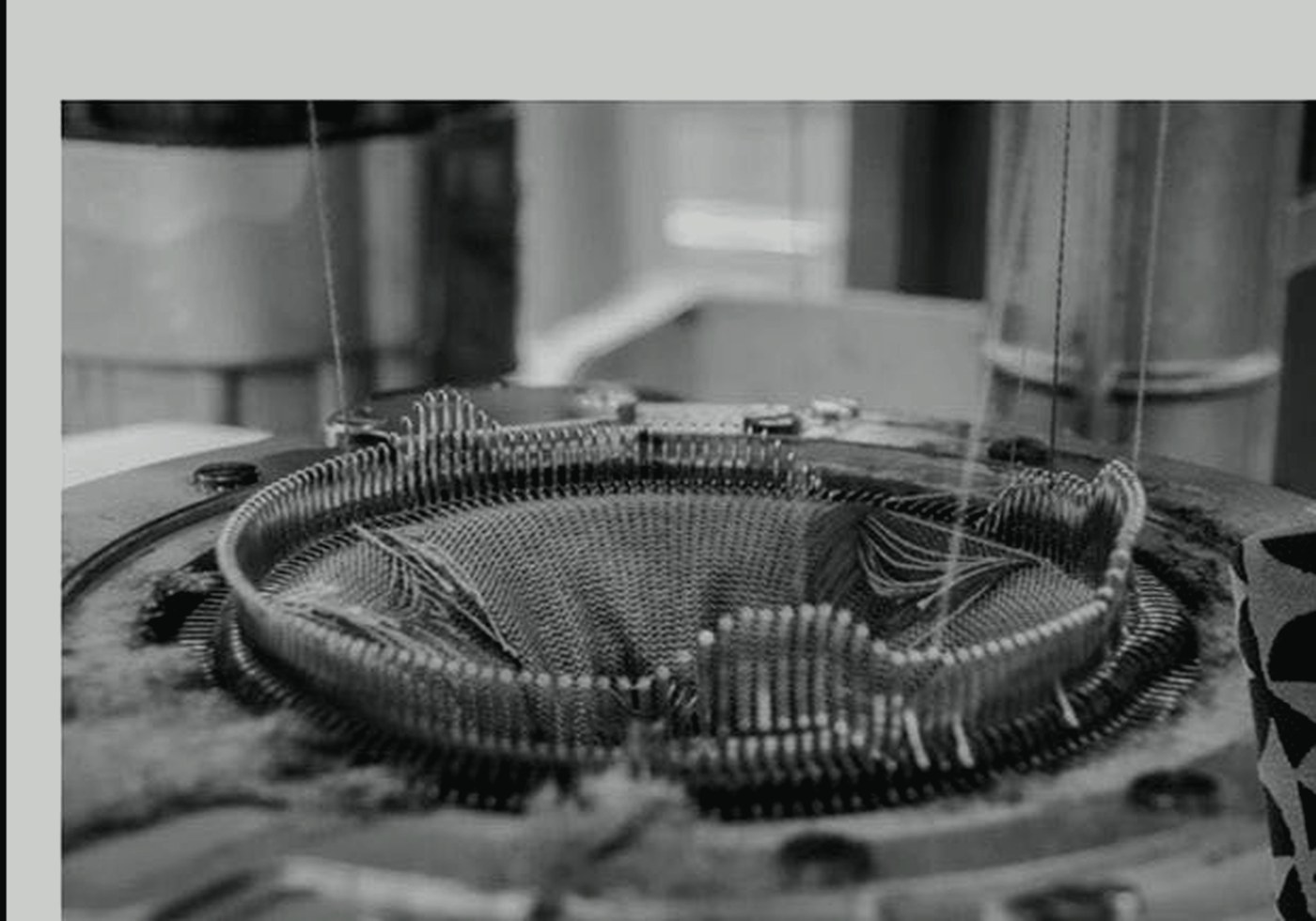
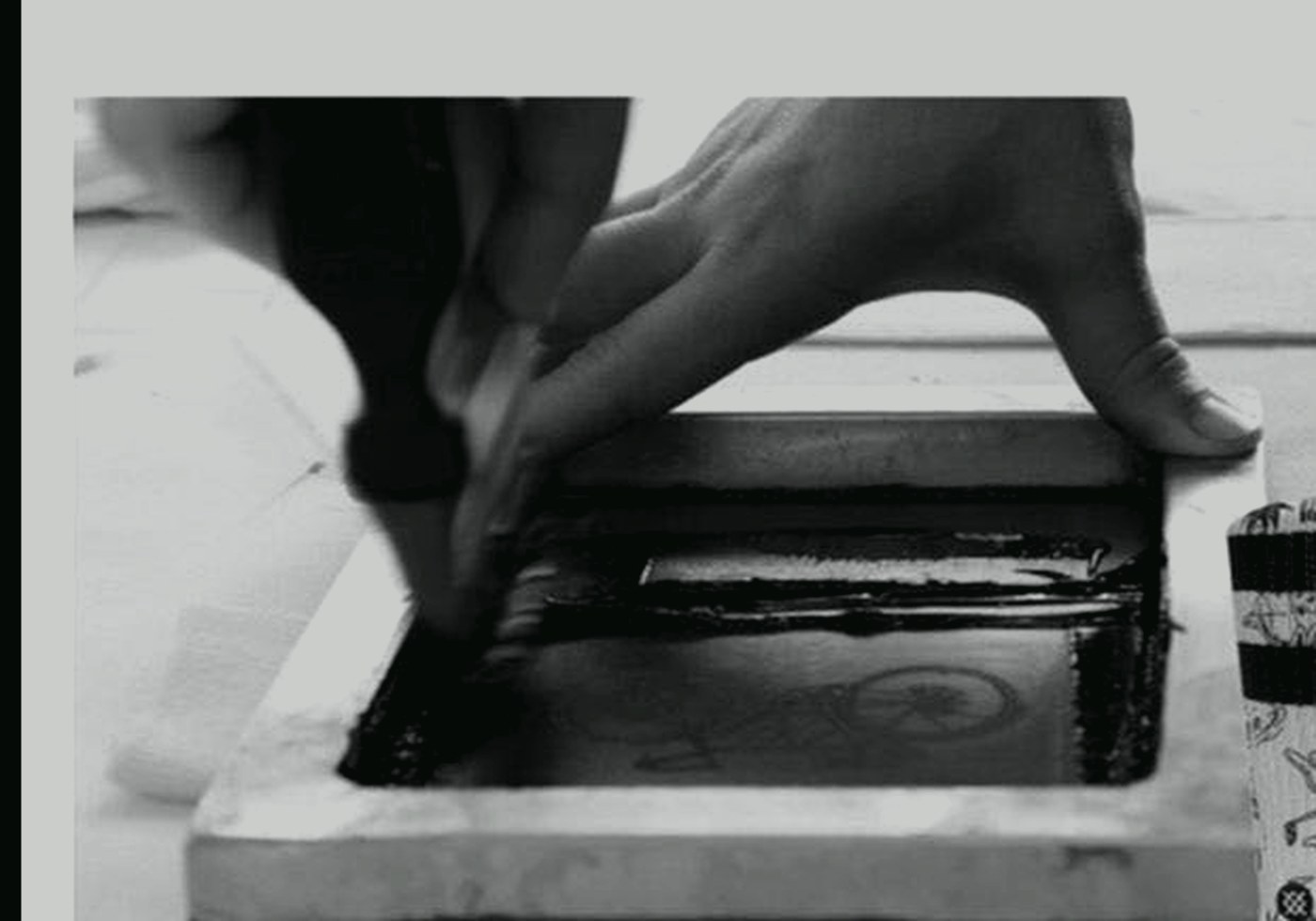
Blisters are not caused by rubbing against the air. They are caused by two surfaces sliding against each other. If both of those surfaces are socks, your skin is no longer one of them.
LINER ANKLE on its own. Flat, thin, light compression. Enough for asphalt and treadmill work where heat, not cushioning, is the limit.
LINER plus TRAIL RUN. Half-loop under toe and heel for push-off and landing, mesh over the instep to dump heat. The set weighs 63–72 g.
One liner carries five days. Wash the shell at camp, keep the liner on. 70% merino, 50–55 g, shrinks under 5% after five washes.
A randomised controlled trial of 357 US Marines found that a two-sock system cut the blister incidence from 69% to 40% (p<0.001), and severe blisters from 24% to 11%. The mechanism proposed is exactly this: fabric-to-fabric friction is lower than skin-to-fabric friction.
Two things we will not pretend. One: 357 participants is a strong trial, not a mass sample — we are not going to dress it up as a hundred thousand reviews. Two: some studies find a single thick polyester sock outperforming two layers, and brands that build bonded two-layer socks argue a single construction is better than two separate ones. The system works when the fit is right; a tight shoe plus a liner makes blisters worse, not better.
A liner adds roughly 1.2 mm inside the shoe. Worn in your usual size, the toe box closes on the toes — and on a descent, the foot moves forward into that closed space. Take the shoe up half a size (EU +0.5 to +1) when you plan to wear a set. If you have ingrown toenails, this matters more, not less.
Two liners, two shells, one grid. The liner is flat knit so it stays put; the shell carries the loop, the wool and the cushioning. Pattern is not a style — it is a colourway on the same build.
A flat loop is a flat surface. Against a footbed it has nothing to bite into — which is why the socks we tested slid as a whole foot, not at one spot. Three zones change that.
| A | Toe-off zone | Toothed loop, 3 mm pitch, 0.3–0.5 mm taller than the mid-sole knit. Bites into the footbed on push-off. |
| B | Arch lock | 1×1 rib around the midfoot, 8–12% more transverse shrink than the forefoot. Stops the sock rotating with the foot. |
| C | Y heel pocket | Deep Y-shaped gusset so the calcaneus sits inside the pocket instead of on a flat panel. Most of the descent sliding happens here. |
| LINER ANKLE | LINER CALF | TRAIL RUN | TRAIL HIKE | |
|---|---|---|---|---|
| Role | Liner, volume | Liner, long days | Shell, trail run | Shell, multi-day |
| Height | 5 cm above ankle | 15 cm, calf | 8 cm above ankle | 8 cm above ankle |
| Weight / pair | 18–22 g | 20–24 g | 45–50 g | 50–55 g |
| Knit | Flat, no loop | Flat, no loop | Half loop | Full loop |
| Needles | 144 | 144 | 144 | 144 |
| Composition | Nylon 85% / Elastane 15% | Nylon 85% / Elastane 15% | Merino 50% / Nylon 38% / Polyester 9% / Elastane 3% | Merino 70% / Nylon 25% / Elastane 5% |
| Compression | 8–12 mmHg, non-medical | Gradient 15–18 mmHg, non-medical, arch band | — | — |
| Sole | Flat + arch lock | Flat + arch band | Toothed loop + Y heel | Full loop + toothed toe/heel |
| Finish | Antimicrobial (Ag/Zn), low silicone | Antimicrobial (Ag/Zn), low silicone | Antimicrobial, low silicone | Antimicrobial, low silicone, anti-shrink |
| Colour | Black / signal yellow | Black / mountain orange | Sand brown / black | Moss green / black |
| Sizes | XS 32–35 / S 35–38 / M 39–42 / L 43–46 | Same range | Same range | Same range |
| Retail (CNY) | ¥ 49 | ¥ 59 | ¥ 89 | ¥ 129 |
LINER ANKLE + TRAIL RUN. 63–72 g for the pair, 8 g under the 80 g ceiling of a single heavy hiking sock.
LINER CALF + TRAIL HIKE. 70–79 g. Weight comes from yarn volume, not needle count — a coarse loop reads thick without being heavy.
If we cannot control where the loop sits, we do not put it on the shelf. Everything below is the reason we can say that sentence.
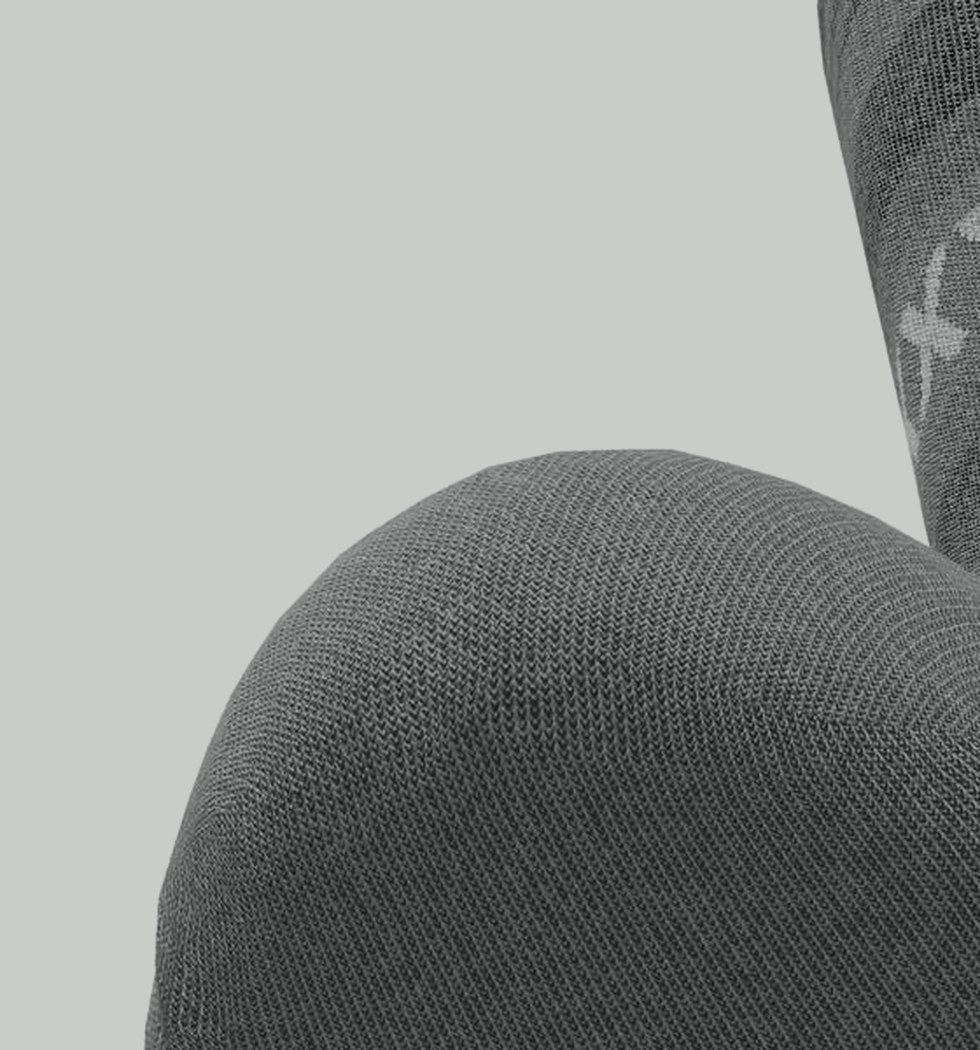
| Knitting | Gauge is set per style, not fixed across the line. We knitted 200 first: the surface read too fine to feel like wool. Coarser gauge with finer yarn is how a loop stays thick without gaining weight. |
| Zoned loop | Loop height is programmed per zone, not uniform. Toe-off and heel sit 0.3–0.5 mm proud of the mid-sole; the instep drops to mesh for heat. |
| Seamless toe | Hand-linked toe closure, no ridge. On a descent the toe box is where pressure lands first, and a ridge there is felt within the first kilometre. |
| Finish | Silver/zinc antimicrobial on both liners; silicone softener cut to 40–50% on the shells. Softener is what makes a sock feel good on the shelf and slide in the shoe — we trade a little of the first for the second. |
| Testing | Incline slip test at 15°, dry and wet, against a named competitor sock as the control. If ours is not measurably more resistant, it does not get a version number. |
The same floor knits for Stance, Fila, New Balance, Anta, Skechers, Hoka and Puma. FORRAY is developed on the same machines, with its own gauge, its own loop programme and its own finish spec.
We would rather send you a pair than a deck. Tell us which style you want to put on a foot, and we will get it to you — then you decide whether the system is worth shelf space.
| Sales@ForraySports.com | |
| +852 4618 6377 | |
| Web | ForraySports.com |
| Entity | Hong Kong |
| Sample | 3–5 pairs per style, 5 days |
| MOQ | 100 pairs per style |
| Production | 25–35 days |
| Sizes | XS–L (EU 32–46) |